
Clairabelle, the declawed kitty who is suffering from her amputations
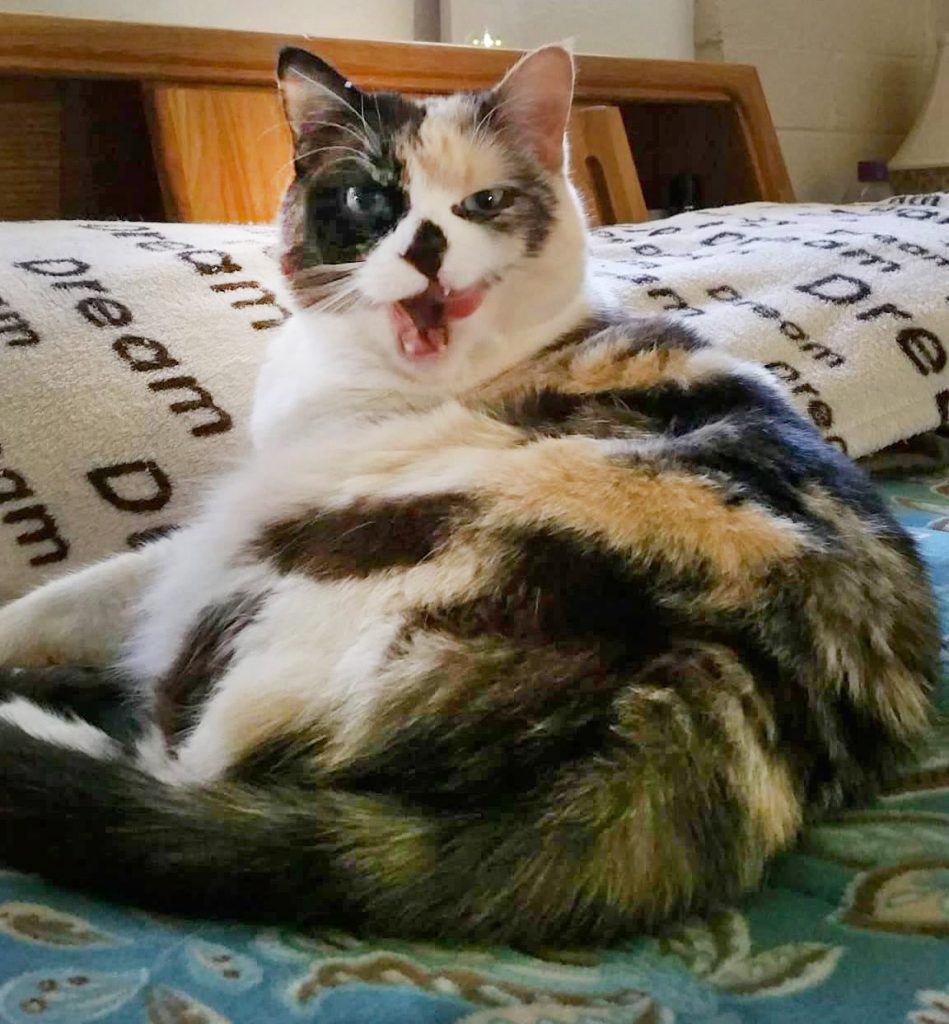
In 2015 I adopted a 5 year old calico that was front paw declawed. She was declawed with her spay surgery.
I was told that she is a pure breed straight ear Scottish fold.
I picked her up in a freak snowstorm at 4 am because her former owner was leaving on vacation and would be dropping her at the vet for euthanasia if I couldn’t get her that morning. They said she was having cat pan issues. I was certain I could help her and I fell in love with the pictures they sent me of her. I’m happy to say that we never had any pan issues.
She is getting older and I noticed that her right leg was sensitive sometimes after she would jump down off the furniture. Lately, she is limping most of the time. I can feel a pointed piece of what I think is bone in her sore toe.
She is a love bug but when she is hurting she will gently bite my hand while I’m checking her feet. I love her dearly and I know she was destined to be my baby for the remainder of her days
West Virginia, Please Ban Declawing And Save Cats From This Cruelty
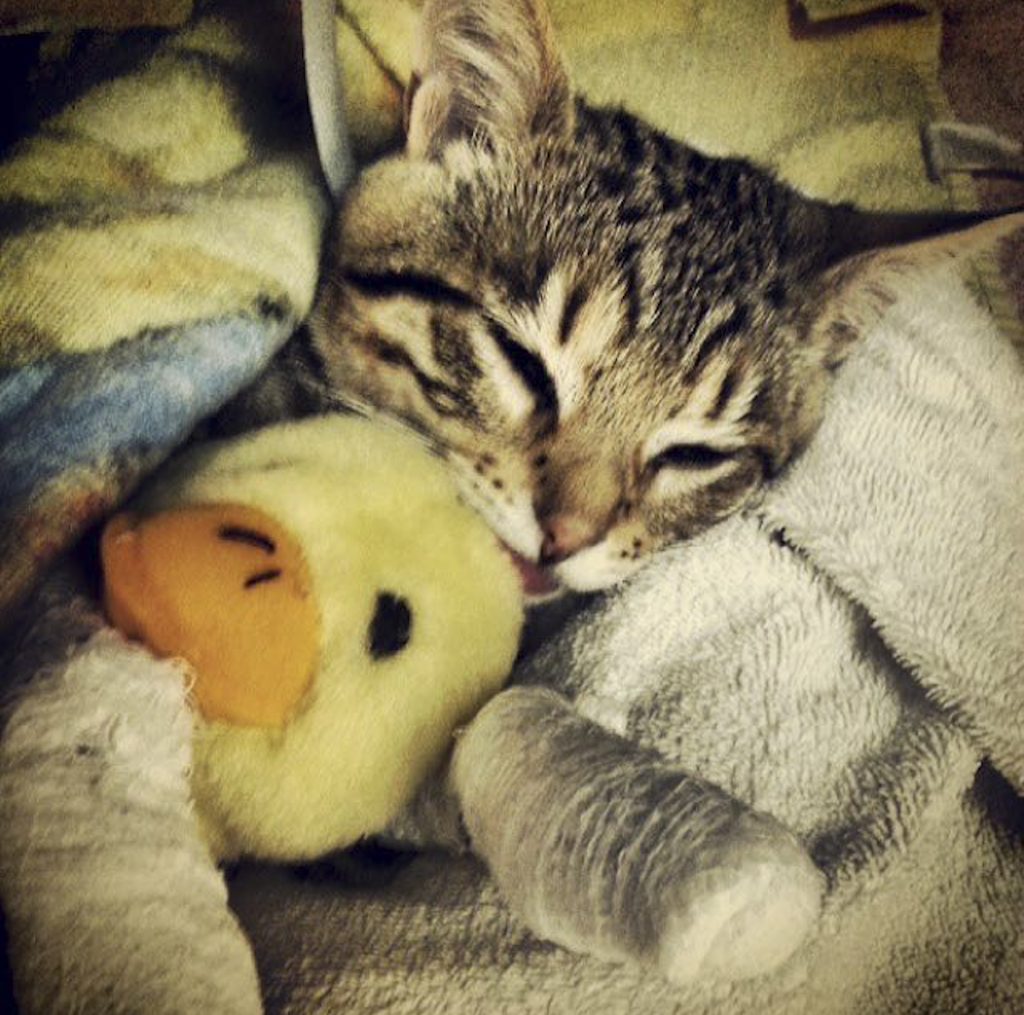
Quote from West Virginia pro-declaw veterinarians, “You are right when you state there are those who would like to make declawing illegal. Many of those opinions have been formed by misinformation and what I call “internet-hype.” When performed properly, the declaw procedure results in no harmful side effects. In our experience, the cats have no higher incidence of any behavioral problems, which is in direct contrast to some of the fabrications that are now circulating. “
AAFP, Cat Friendly Should Be Reserved For Vets Who Don’t Declaw Cats
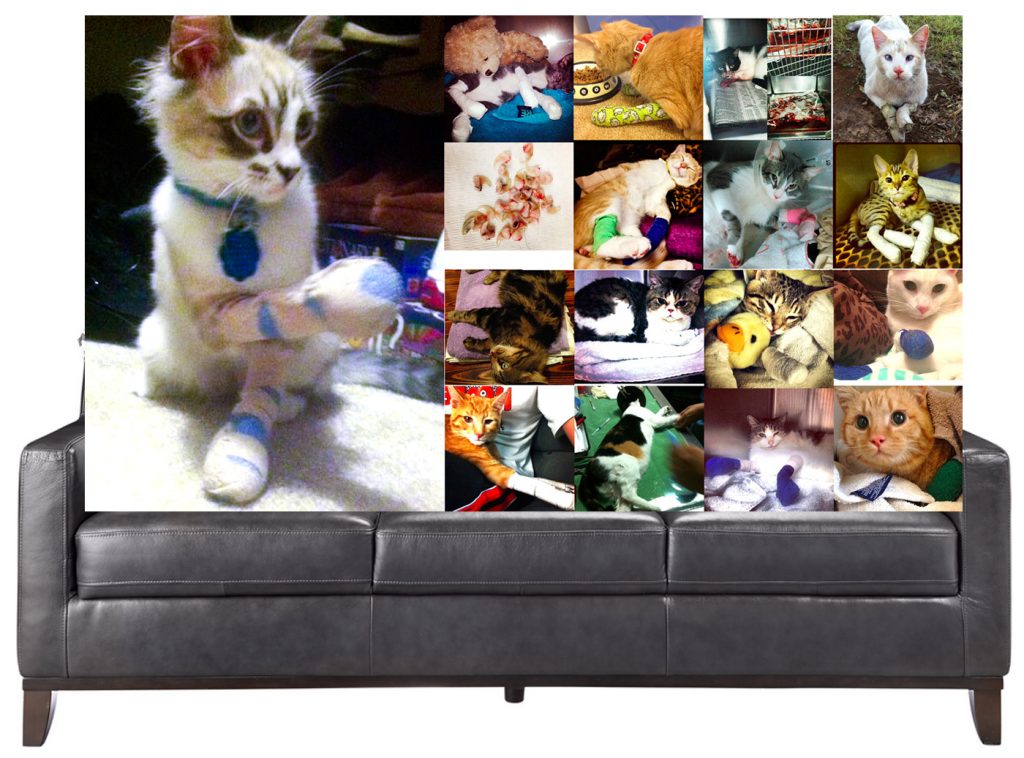
Dear American Association of Feline Practitioners (AAFP), “Cat Friendly” should mean exactly that and should be reserved for vets who actually don’t declaw cats. PLEASE SIGN OUR PETITION TO AAFP- AAFP PETITION “Surgical declawing is the removal of the nail at its base. This is done under general anesthesia and there is very little post-surgical […]
Buddy The Declawed Cat
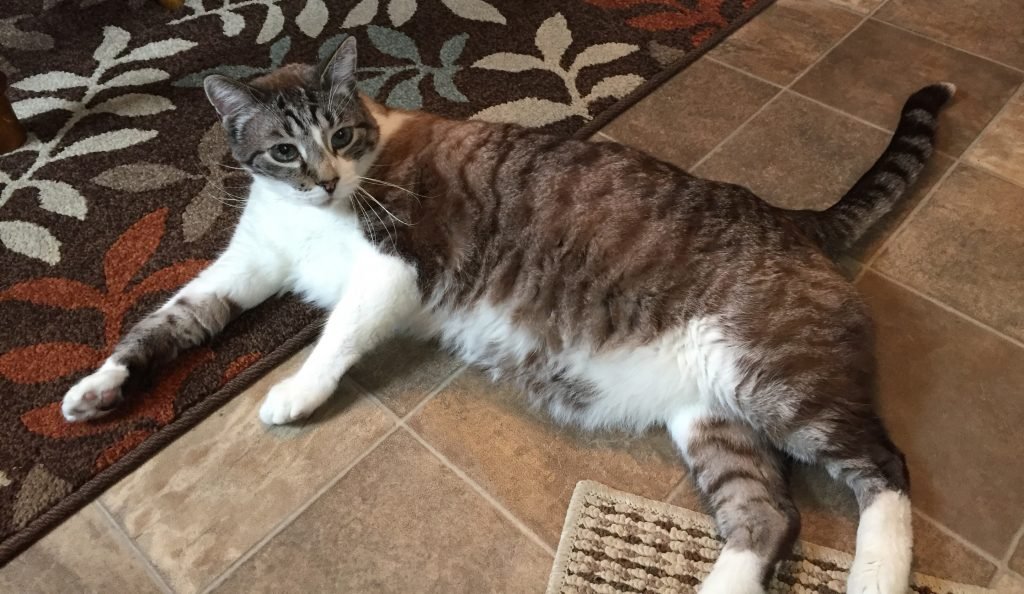
The cat’s paws were scarred deeply in the back, with declawed stumps in the front. Affectionately known as “Buddy”, the cat pees outside the litter box, and is a powerful biter. It’s obvious why his owners threw him out of the house. How he survived outdoors was truly a miracle.
Alternative Declawing Facts By Two Prominent New Jersey Vets
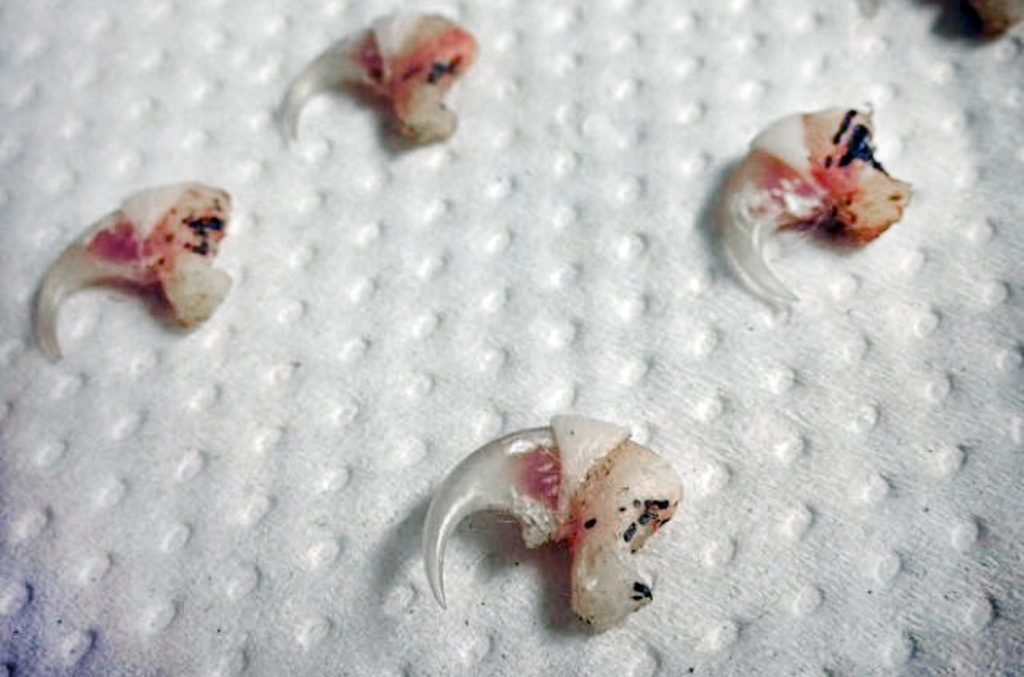
Dr Jose Pla is the vet who does their declaws. They advertise their laser declaws on their facebook pages, their employees say that Dr Pla performs declaws, “all the time”, ” Dr Beeber says that a cat will be ok from being declawed, they post photos of declawed cats and promote their laser declaw, and they charge $875 for their laser declaws and will even do them on older cats.
Purina & Declawing Veterinarians – A Mutually Beneficial Relationship
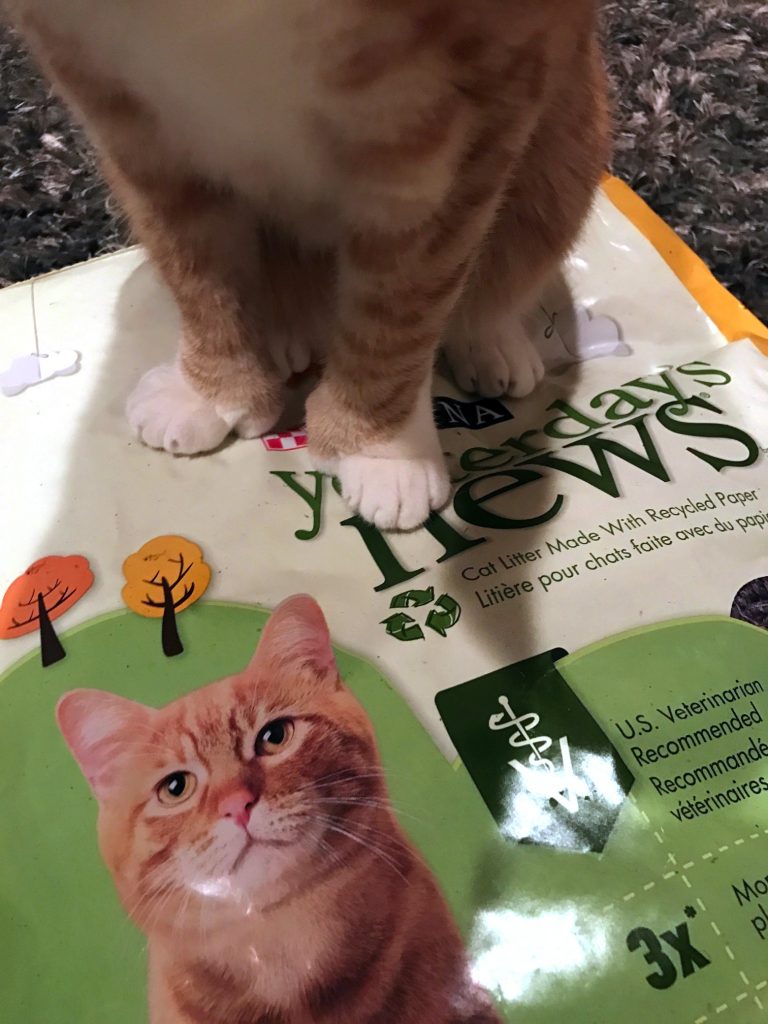
Here are examples of how pro-declaw vets and Purina have a mutually beneficial relationship and how they are profiting from this very inhumane and cruel procedure.
Purdue’s AAHA Accredited Animal Hospital Profits from Declawing Cats
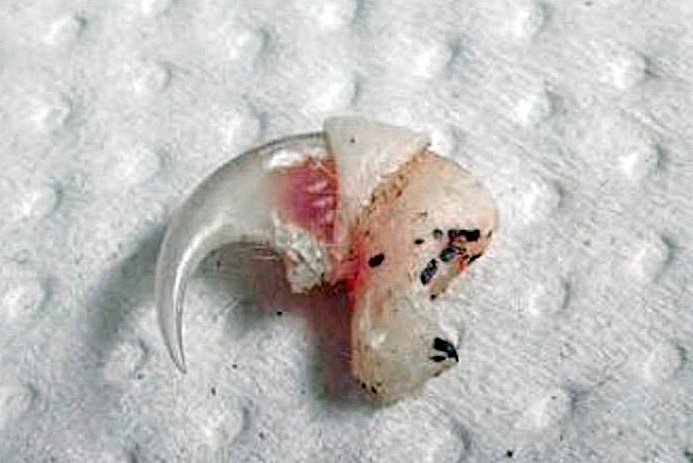
Purdue Veterinary Wellness Clinic says they do “pain free declaws” with their CO2 laser. How can burning off a cat’s toe bones and claws with a super heated laser be pain free? How is declawing “feline friendly” handling?
New Jersey Veterinarian Says Declawing Is Malpractice
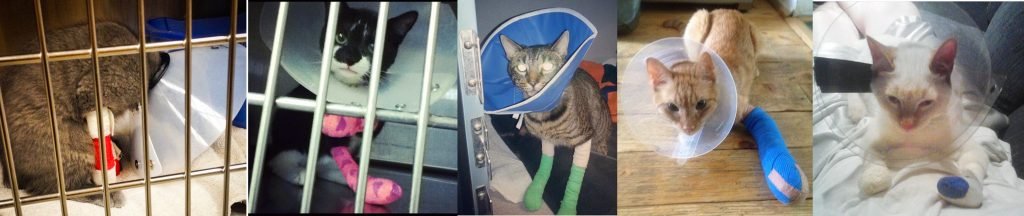
The veterinary professional organizations have not recognized onychectomy for what it really is: malpractice.
For a veterinarian to harm an animal and with no physical benefit to that animal is
tantamount to malpractice. Despite cautions to their members for decades, professional
veterinary associations have not effectively reined in their veterinarians from performing routine
onychectomy.
When you know better, you do better
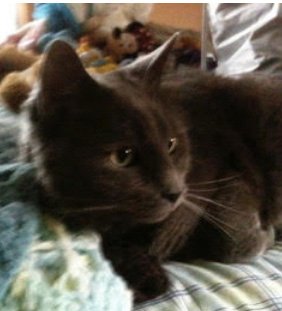
My family became educated on declawing and we made the relationship between the kitties work without having to declaw another cat.
One Giant Step For Catkind That All Veterinary Practices Should Take
We used to believe that declawing cats saved their lives. We feared that cats with claws would be turned in to the shelters in record numbers, and that we were doing a good thing by making cats more likely to stay in their homes.
As it turns out, the numbers do not bear this out. When areas have stopped declawing, the number of surrendered cats actually dropped. This left us with a question. We know that even under the best of circumstances, a declaw is a major and painful surgery, (and no less so when it is performed with a laser, by the way.) It is an amputation of the end of the cat’s “finger,” not just the removal of the claw itself. And even when performed perfectly, can have life-long complications.
So we wondered, if we weren’t saving cats, and this procedure can be painful to cats, why were we doing this? Although we know furniture destruction can be a problem, it can almost always be prevented with the right techniques. Besides, when it comes down to it, as veterinarians, our main concern is the cats, not the couches. We have to do what is best for our patients.